01 · Appliance checklist
Do not test the system with a fire
A flame does not reveal hidden flue damage, animal nesting, deposits or a blocked termination. Do not light the appliance until a suitable professional inspection has addressed the system's history and condition.
02 · Appliance checklist
Gather what you know
Find the appliance model and manual, note how long it has been idle, and collect previous service records. Mention roof work, storms, animal sounds, water staining, odors or changes to the home's ventilation since it was last used.
03 · Appliance checklist
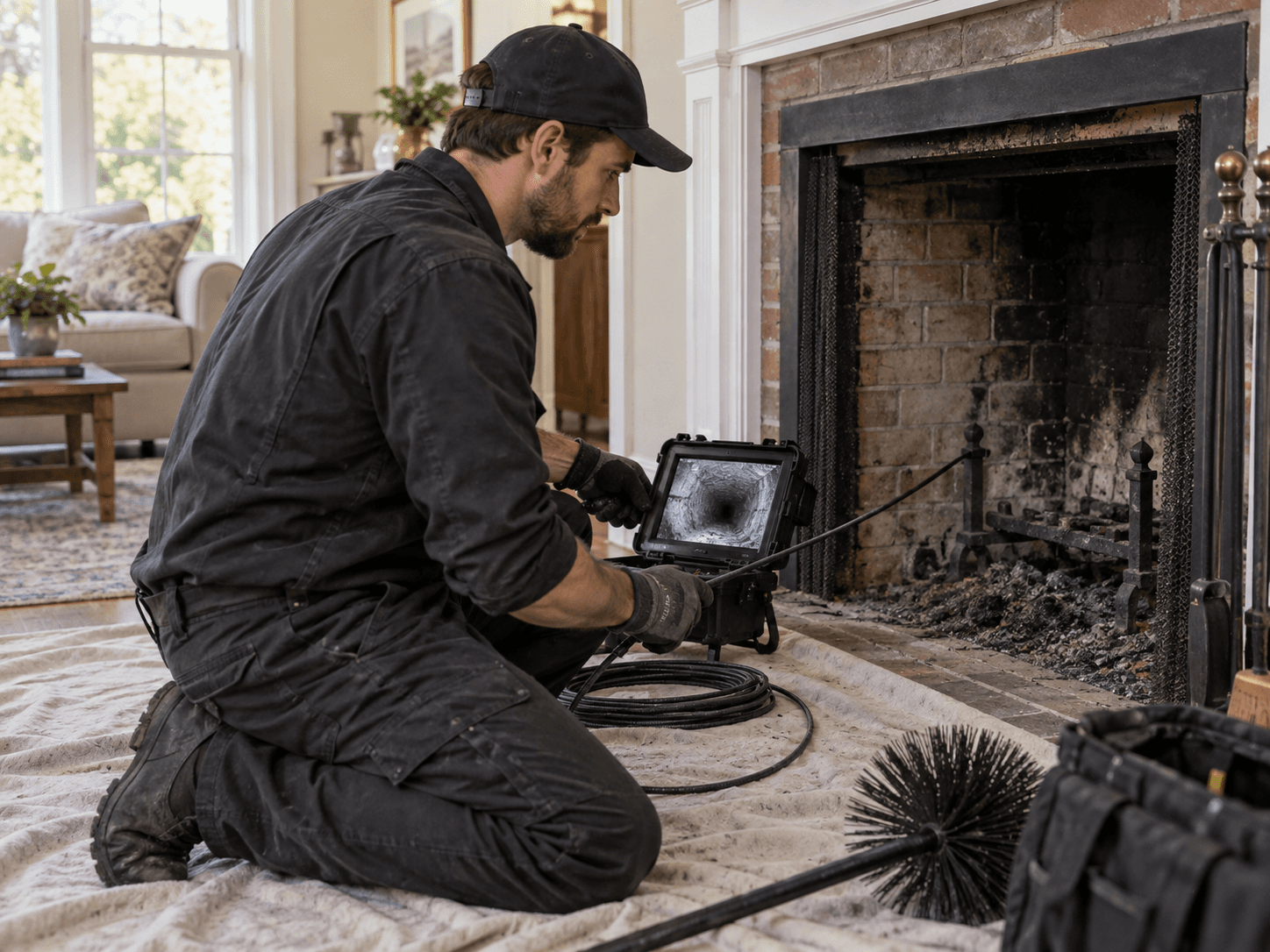
Ask for a scoped inspection
The appropriate inspection level depends on known changes and suspected hidden damage. Ask which appliance and flue are covered, what areas are accessible, whether scanning is proposed, and what findings require a separate estimate.
04 · Appliance checklist
Return to service only after clear guidance
Follow the professional's written recommendations and manufacturer instructions. If a carbon-monoxide alarm sounds or someone has possible exposure symptoms, move outside and contact emergency services rather than troubleshooting indoors.
Keep the right safety boundary
This guide is general homeowner education. Standards, permit rules and manufacturer instructions change. Ask a qualified professional to assess the actual chimney, flue and appliance. For an active alarm, suspected fire or possible carbon-monoxide exposure, get outside and contact emergency services.
Read the CSIA homeowner resources or the CPSC carbon-monoxide guidance.