01 · Home purchase checklist
Collect the records
Ask the seller for inspection reports, repair invoices, appliance manuals and warranty information. A home inspection may not include a dedicated chimney inspection or internal flue assessment; review the exact scope of any available report.
02 · Home purchase checklist
Identify each appliance and vent
Record the appliance make, model and fuel where labels are safely accessible. Note which flue serves each fireplace, stove or heating appliance if known. Do not remove panels or dismantle vent connections to identify components.
03 · Home purchase checklist
Arrange an appropriate inspection
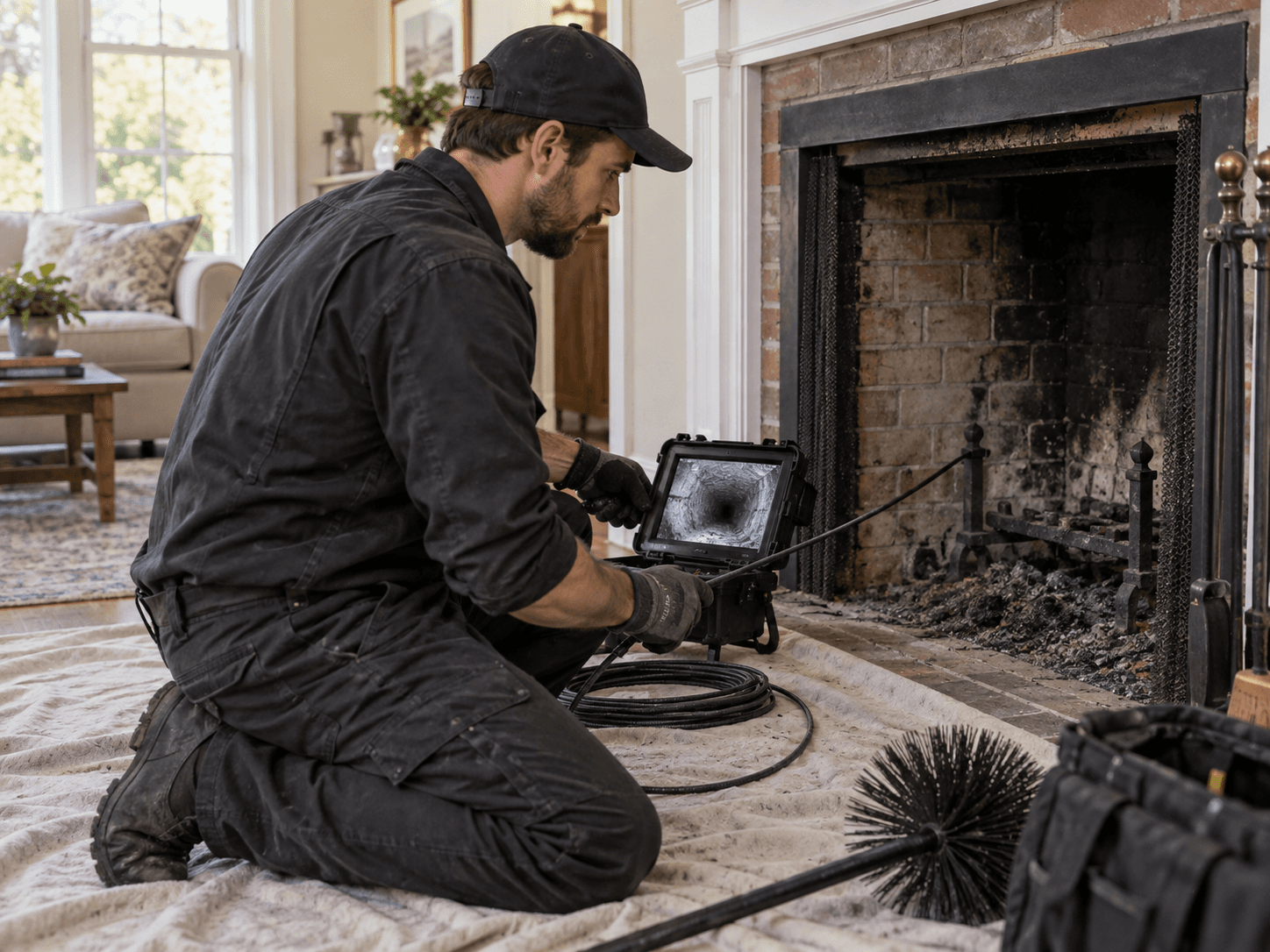
Tell the chimney professional that ownership has changed and provide any documents. Ask what inspection level and access are appropriate, what is included, and what could not be checked. Request findings in writing before deciding about cleaning or repairs.
04 · Home purchase checklist
Do not use a system with an unresolved concern
If there is smoke spill, unusual odor, visible damage, a suspected blockage or a carbon-monoxide alarm, keep the appliance out of use and follow emergency guidance when appropriate. A first-use test fire is not an inspection.
05 · Home purchase checklist
Keep a new home record
Store the report, photos, service date, appliance details and any follow-up work together. This establishes a clear starting point for maintenance and helps future professionals understand changes.
Keep the right safety boundary
This guide is general homeowner education. Standards, permit rules and manufacturer instructions change. Ask a qualified professional to assess the actual chimney, flue and appliance. For an active alarm, suspected fire or possible carbon-monoxide exposure, get outside and contact emergency services.
Read the CSIA homeowner resources or the CPSC carbon-monoxide guidance.